


Our organization has investigated the worsening shortage of clean water affecting Burundi’s economic capital, Bujumbura, as well as several inland provinces. This crisis, increasingly unbearable for the population, has finally pushed REGIDESO – the national public company in charge of water and electricity distribution – to break its silence.
During a recent on-site visit, Innocent Nkurunziza, Director of the Water Department at REGIDESO, revealed a staggering figure: nearly 24 billion Burundian francs would be needed to structurally resolve the country’s drinking water crisis. This sum is required to modernize a system that is outdated and incapable of meeting the current urban and demographic demands.
Our findings confirm Mr. Nkurunziza’s statement: most of Burundi’s water infrastructure dates back to 1984. Since then, no significant upgrades have been made to the main pipes, reservoirs, or intake stations. The network is therefore obsolete, increasingly prone to breakdowns, and extremely costly to maintain.
The situation is alarming: most neighborhoods in Bujumbura receive water for only a few hours per week. In certain inland regions, water cuts can last for several days or even weeks. This has serious repercussions on public health, hygiene, the economy, and access to education.
Nkurunziza stressed that only new investments, particularly in modern equipment, pump station rehabilitation, and network expansion, could sustainably mitigate this crisis.
But in a tightly constrained budgetary environment – where political priorities often diverge from citizens’ basic needs – the real question is: will REGIDESO receive the support it needs to rise to the challenge?
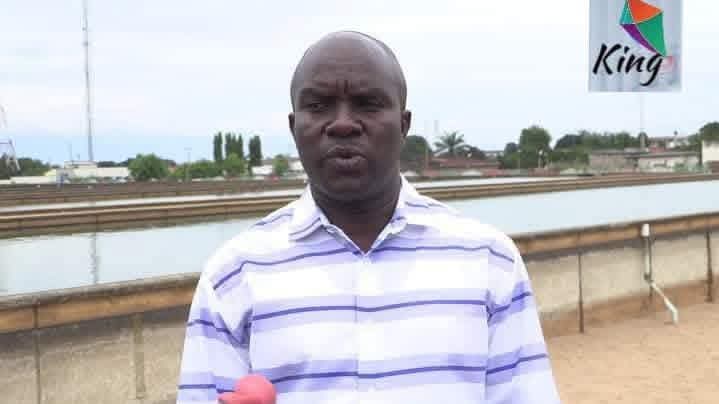
This statement raises a crucial point: how is it that after decades of field presence and monthly revenue collection from citizens, REGIDESO has failed to build the necessary reserves to anticipate this structural collapse? Is the public utility moving backwards instead of progressing? If its management had been transparent and focused on sustainable investment, these 24 billion FBu should not be such a colossal obstacle today.
This situation highlights the urgent need for a national plan for sustainable water management, grounded in transparency, long-term planning, and depoliticized governance of essential resources.